

Blog : Little Lilypad Co

 frog-facebook     frog-instagram   frog-pintrest  frog-twitter


The Little Lilypad is a lifestyle blog mostly written by a mum to two beautiful, cheeky and entertaining daughters. It is sometimes written by the Man on the Pad or by one of our baby bloggers. Occasionally we accept guest posts too. There is frequently talk of sustainable living, saving money, lifestyle and travel. It is hopefully helpful, sometimes funny and always honest.

search engine by freefind advanced

 RSS Feed

Category: Views & Ramblings

  1. What my child thinks about me

    Posted on

    I have seen these questions going round on Facebook this week and I kept meaning to do them with my girls, so when Emma from Emmaand3.com tagged me to see what my girls thought of me, I stepped up to the challenge.

    WITHOUT ANY prompting, I asked my girls  these questions and wrote down EXACTLY what they said. 

    1. What is something mum always says to you?

    TWEEN: I love you to infinity

    TODDLER : Brush your teeth


    2. What makes mum happy?

    TWEEN : When we are happy.

    TODDLER : Me getting dressed.


    3. What makes mum sad?

    TWEEN : Having to ask me to do things over and over again.

    TODDLER : Me not getting dressed.


    4. How does your mum make you laugh?

    TWEEN : Telling me rubbish jokes

    TODDLER : When she tickles me.


    5. What was your mum like as a child?

    TWEEN : Funny looking

    TODDLER : A good girl


    6. How old is your mum?

    TWEEN : Errrm 35?

    TODDLER : 6


    7. How tall is your mum?

    TWEEN : I think 210cm

    TODDLER : 30 tall (???)


    8. What is her favourite thing to do?

    TWEEN : Spend time with the family

    TODDLER: Wash up (??)


    9. What does your mum do when you're not around?

    TWEEN: Watch movies with Daddy

    TODDLER : Go to work


    10. If your mum becomes famous, what will it be for?

    TWEEN : Being a good mommy

    TODDLER: Musical statues


    11. What is your mum really good at?

    TWEEN : Sewing

    TODDLER : Dancing


    12. What is your mum not very good at?

    TWEEN : Singing

    TODDLER : Drawing

    13. What does your mum do for a job?

    TWEEN : She does stuff on the Lilypad

    TODDLER : She works on her computer


    14.What is your mum's favourite food?

    TWEEN : Cake

    TODDLER : Chicken


    15.What makes you proud of your mum?

    TWEEN : Because she always makes sure the family are happy

    TODDLER : Because you love me.


    16. If your mum were a character, who would she be?

    TWEEN: Snow White

    TODDLER : Belle


    17. What do you and your mum do together?

    TWEEN : Have fun

    TODDLER : Swim


    18. How are you and your mum the same?

    TWEEN : We both love dancing

    TODDLER : We have the same nose

    19. How are you and your mum different?

    TWEEN : I don't wear glasses.

    TODDLER : Same!


    20. How do you know your mum loves you?

    TWEEN : She always hugs and kisses me

    TODDLER : Tells me lots


    21. What does your mum like most about your dad?

    TWEEN : Me!

    TODDLER : Getting married


    22. Where is your mum's favourite place to go?

    TWEEN : Hatton World together

    TODDLER : Swimming with me


    23. How old was your mum when you were born?

    TWEEN : 24

    TODDLER : 5

    Siblings June 14

    What do you think your child's answers would be?

  2. Why should I take my baby swimming when they are small?

    Posted on

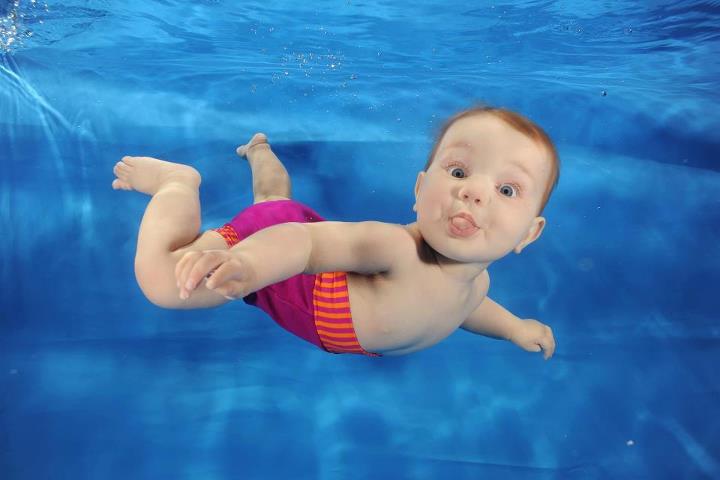
    Just in case I've not written about it enough, our house loves swimming. For a long time my mum took our smallest to her Water Babies lessons, as they were on a day when I'm working. When the chance came to move to a Sunday morning lesson, I took it instantly - I love being in the water with her and seeing her learn. With summer coming and this being the busiest time of year for people wanting to learn more about baby swimming and baby swimming lessons, I asked Tamsin if she'd write for me about all the things people usually ask me when I'm telling them how much we love our Water Babies lessons...
     
    The first thing I'm asked is "Why should I take my baby swimming when they are small? Are there really any benefits to starting early on?"
     
    Over to Tamsin....
     
    To be honest, I don't know where to start - there are so many benefits of baby swimming lessons!

    Water safety is the main reason that most parents chose to take their baby swimming. By introducing your baby to the water at a young age, they become familiar with the environment and would not panic in the event that they fell in water. Swimming is also extremely beneficial for your baby’s cognitive and physical development. Physically, the water allows babies to exercise muscles that they can’t on land as it eliminates the constraints of gravity by providing a supportive environment. Also, the repetitive movements of bouncing and splashing provide a great stimulation for a baby’s sense of motion, co-ordination and balance.

    Water Babies

    This in turn also helps cognitive development. During your baby’s first year of life, their brain will grow more rapidly than at any other time and every movement they make helps to boost this growth. Swimming provides a complete physical workout for your baby, strengthening the heart, lungs and respiratory system which, in turn, promotes brain development.Learning to respond to voice commands used in swimming lessons can also make babies sharper mentally and increases levels of understanding.

    And one of the best bits?  Regular swimming in warm water both relaxes your baby and stimulates their appetite, leading to improved sleeping and eating patterns!

    I'm so pleased to have opportunity to share with you here on the Little Lilypad, about how great swimming is for you and your baby. But for now, I just want to encourage you to get in the pool, book a baby swimming lesson with any of the Water Babies teachers across the UK and beyond, because it's something that I love and feel privileged to be able to share with families. Seeing the happiness on the face of our babies and their mums, dads, grandparents and carers makes all our hard work behind the scenes worthwhile.

    If you have any questions about anything baby swimming related, please call us on 01295 709221 or email us at [email protected] as we're always happy to talk about our favourite subject!

  3. Top tips for gardening with a toddler : Country Kids

    Posted on

    The start of the hayfever season has not been particularly kind to the toddler but she loves being outside and you don't need a big garden for them to enjoy getting involved, so here are our top tips for gardening with a toddler (even one with asthma).

    Tiny Tools

    Use child size tools, or in our case when we were scooping compost we simply used plastic cups. Using tools that that are safe and manageable for their little hands will totally enhance their experience. Plus, they are super cute and come in bright colours, which are much more exciting than grown up tools!

    Toddler Gardening 1

    Let Them Get Dirty

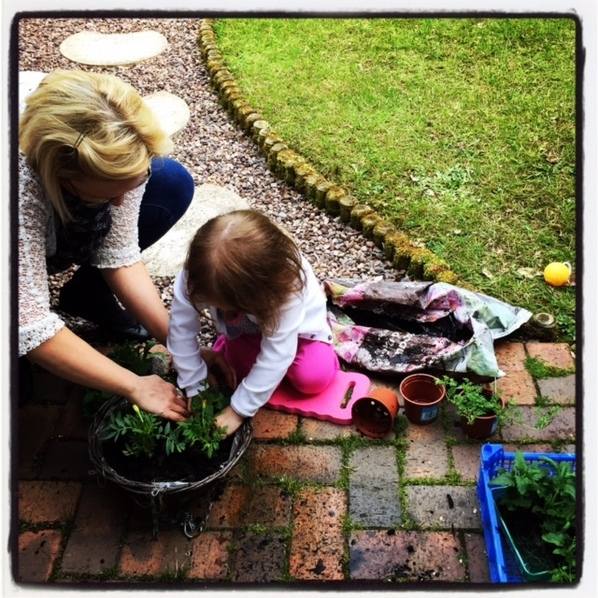
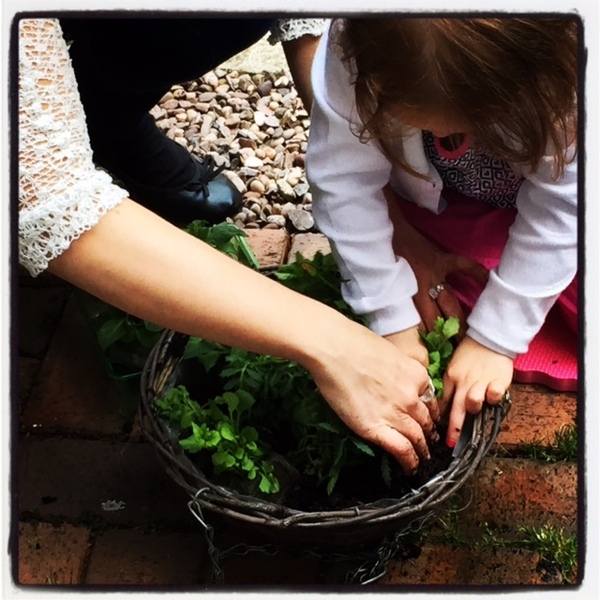
    I have spent what seems like forever trying to keep my girls clean but even the most immaculate child LOVES getting filthy. Let them put their fingers in the dirt and enjoy feeling the soil in their hands (note to self : just try not to squeal if they come across a worm!)

    Toddler Gardening

    Let Them Pick Their Own Flowers

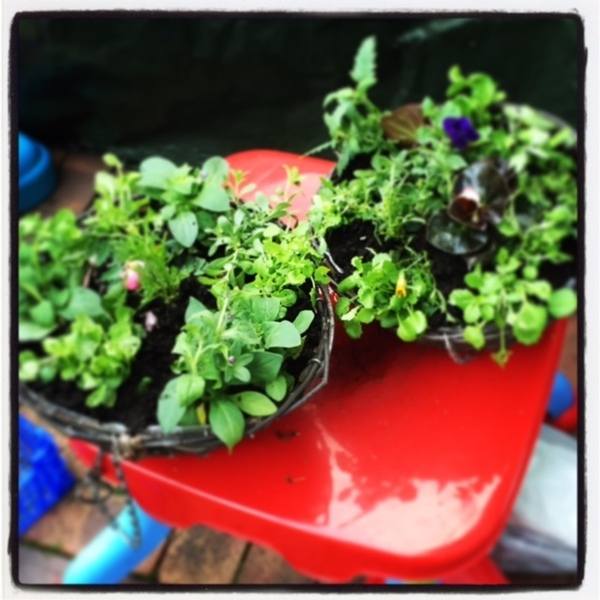
    We took the toddler to the garden centre with us and (maybe foolishly), let her pick her own flowers. It seems that we will have extremely pink hanging baskets this year but it meant that she was very excited to plant them.

    Toddler Gardening 2

    Grow Their Favourite Fruit or Vegetables

    Most children love the sweetness and crunch of carrots, or strawberries and even tomatoes and they are not too difficult to grow be sure to plant a couple of things that your little one loves, as they will take great pleasure in eating their home grown fruit and veg. 

    Hunt For Mini Beasts

    Go on a hunt for minibeasts (e.g. snails, worms and insects) and explain how bugs and creepy-crawlies are good for the soil and plant. It is good to encourage them to hold these creatures gently and carefully so that they can see what minibeasts look like.

    Water & Watch Them Grow

    Plants (like children) need regular watering, so each day it is good to get them used to taking care of their plants and watching them grow. (Just don't let them eat anything until it is ripe .... that remains a regular challenge in our house!) 

    Tots100 MAD Blog Awards

     Country Kids from Coombe Mill Family Farm Holidays Cornwall

  4. 10 things you need to know about periods when you are ten.

    Posted on

    My eldest daughter came home from school a week or so ago and casually dropped into conversation that the nurse had been in to see them and was talking about periods. Once I had got over the initial shock, I realised that she is 10 years old and I can ignore it as much as I like but she is growing up and I have to do my best to support her, nuture her and answer her questions as honestly as I can. So between us we came up with the top 10 things she wanted to know.

    Periods 2

    1. Will it hurt?

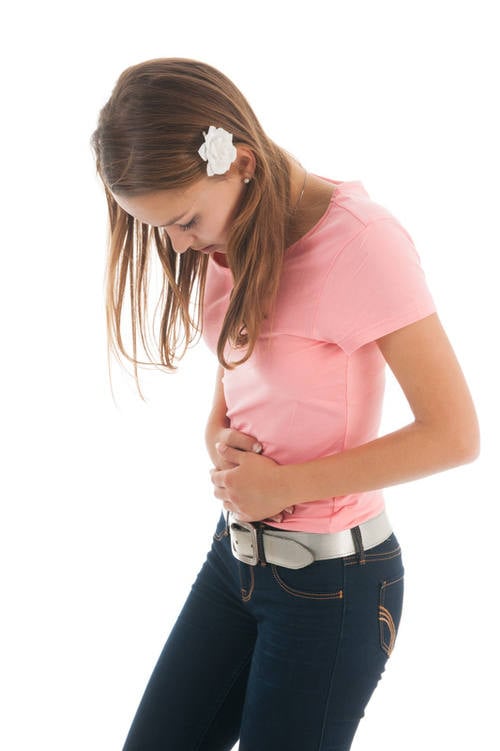
    You might find you get a dull ache for the first day or so. It can be uncomfortable but it soon passes.

    2. Will I get one every month?

    Once your monthly cycle gets into a routine, you will get a period around every 28 days. In the first few months it is likely that they will be a little less regular but it will eventually even out and you are more aware of your body.

    3. Does every girl get them?

    Every girl that goes through puberty will get a period. You might find some girls "bragging" about it but in the end, it is something all women go through when their body is ready. Most girls get their first period between 11-14 years old, you could start your period anywhere from 8-17 years old.

    4. What happens if my period comes when I am at school?

    If your body is changing, it maybe good to keep some tampons or pantiliners discreetly in her bag in case you get your first period while you are not at home. You may even want to keep an extra pair of underwear in her book bag. This will be one of those tips you will appreciate when your period does arrive unexpectantly.

    Tampax_0851_Yellow

    5. Can I still do P.E or swimming when I am on my period?

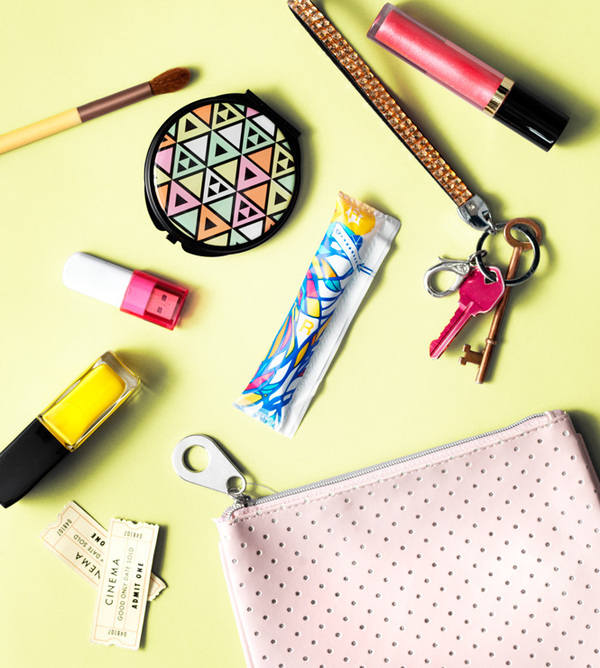
    Yes, as long as you use a tampon, something like the Tampax Compak Pearl is good as they expand width-wise to eliminate the gaps that can cause leaks, and any embarresment. The packaging is pretty cool too! Tampons will also allow you to swim during your period, so nothing is out of bounds! If you are uncomfortable then you can get some simple pain relief, although I always think that a hot water bottle is the first port of call.

    6. Will I get my period at the same time as my friends?

    No, all girls are different and it is not a race to get yours first. Everyones bodies are different. Celebrate yours for today.

    7. Do I have to have time off school?

    Not unless you are in real discomfort should you need time off school (Sorry!!)

    8. Will anyone else know I am on my period?

    You may be a little tired and grumpy and possibly your skin might have an outbreak of spots but this is typical of most tweens and teens so unless you tell people, there is no reason for anyone else to know.

    9. How long will it last?

    A normal period should be between three and five days, sometimes as long as a week but you will get used to your own body as the months go on.

    10. Will I have them forever?

    The menopause, sometimes referred to as the "change of life", is the end of menstruation. This is where a woman's ovaries stop producing an egg every four weeks. She no longer has monthly periods and is unlikely to get pregnant. In the UK, 51 is the average age for a woman to reach the menopause, although some women can experience the menopause in their 30s or 40s.

    Periods 1

    Things to Look Out For

    Mums can answer most questions but you should seek medical advice if you:

    • Are 16 and haven’t gotten your period yet.
    • Get periods that last longer than seven days for three cycles.
    • Experience a dramatic change from your typical periods.
    • Miss your period for six months straight.
    • Are passing large clots.
    • Are soaking through your tampon or pad hourly for two or more hours.
    • Are bleeding between menstrual periods.
    • Have pelvic pain for longer than a day that seems unrelated to your period.

    There is a lot of information on the internet, so sometimes you can feel a little frazzled by it all but we are pleased to be able to share some great content from Dr Radha Modgil for you: 

    Mum’s Period Questions Answered by Dr Radha Modgil
     
    Puberty can be a scary time for your daughter, but it can be a stressful time for mum as well! You’re watching your little girl grow up and you want to be there to support and guide her and most importantly to answer any of her questions. To help you feel empowered with all the information you need to reassure her at this confusing time, I’ve pulled together some answers to some of those big questions that you and your daughter might have.
     
     
    1.       When is the best time to talk to my daughter about periods?
    It’s a great idea to split up this conversation into little chunks over time rather than having ‘the big chat,’ which can make some girls feel uncomfortable. Periods tend to start about 2.5 years after breast development begins and 1 year after their growth spurt. These signs can be useful in knowing roughly when you should start to think about talking to them about periods so that they are ready. This time will vary from person to person. The average age to start your period is 12 years old, but it can vary from 8 to 16 years old, so the best advice is to know your daughter as an individual. The really important thing is to let her know you are there and easy to chat to, without judgement or worry.
     
    2.       How would you recommend I bring up the topic with her? Do you have any tips for parents who feel embarrassed about broaching the topic with their daughters?
    It is understandable that some parents feel worried about how or when to talk to their daughter. Remember why you want to talk to her. You want her to be prepared so she isn’t confused or scared, and doesn’t feel alone. This should help you in getting over any worries or embarrassment. If you feel embarrassed she is likely to feel the same, or worse! Get yourself some information that you can share with her to help the chat, you could use this Puberty Education Booklet for Girls [link], or a website. Pick a quiet time when you are alone and approach the subject sensitively. Tell her that you want to chat, even though she might feel embarrassed because you care and you want to empower her.  Offer the option of talking things through or give her the choice of reading the leaflet in private if she feels more comfortable - and respect her decision. Put the offer to her of you buying her some pads to have in case she needs them. Leave it with her and check back with her in a few days. The most important thing is to let her know that you are always there for her to chat to no matter what it is about.
     
    3.       What will happen when she gets her first period?
    She may get breast tenderness just before she starts her period and get slightly more emotional. When her period starts she may feel some lower tummy cramps. Emotionally she may feel confused, shocked and vulnerable. It is really important to support her at this time. Give her emotional support and explain what these changes are and that they’re something to celebrate and not be afraid of.  Make sure you give her some pads and help her with how to use them, and talk about tampons as another option for the future. Make a date to take her out and do something nice together.
     
     
    4.       How long will it take before her periods become regular?
    This can vary but normally periods do become regular about a year or just over a year after she starts. If they continue to be irregular after this, or are very irregular, then it is a good idea to see her GP.
     
    5.       Will she experience PMS when she starts her period?
    She may do. It is difficult to know who will be affected by the changes in hormone levels, by how much or when. It is great to let her know about possible PMS symptoms and that she can help herself by exercising, eating well, sleeping well and dealing with stress in a healthy way. Let her know you understand and that if she ever feels emotional, sad or anxious you are there for her. If the symptoms become too much, then you can go with her to see the GP, who can help.
     
    There are some other great online resources, try this one here which is specifically written for Teen and Pre-Teen girls https://issuu.com/tampax/docs/q_a_teens_question